At Monrovia Farm, our story is rooted in more than agriculture—it is grounded in American history. Long before cattle grazed these pastures and before the land became a working farm, this soil was part of the historic landscape that shaped one of the nation’s Founding Fathers. The land that Monrovia Farm now calls home was once part of the area surrounding the birthplace of James Monroe, the fifth President of the United States.

A Landscape Shaped by Early America
Born in 1758 in Westmoreland County, Virginia, James Monroe entered the world in the heart of the Northern Neck—a region defined by fertile land, waterways, and early colonial farms. During the 18th century, large tracts of land were commonly divided into working plantations and family farms that sustained both livelihoods and communities. Monrovia Farm’s land was part of this broader agricultural landscape, contributing to the rural environment that influenced Monroe’s early life.

These fields would have witnessed the rhythms of colonial farming—hand-tilled soil, seasonal harvests, livestock grazing, and the steady labor that defined everyday life in early Virginia.
From Colonial Roots to a Young Nation
James Monroe grew up surrounded by farmland much like what still exists here today. The agricultural setting of his youth helped shape values that would later define his public service: independence, responsibility, and stewardship of land and people.
Monroe went on to serve as a soldier in the American Revolution, a diplomat, Secretary of State, and ultimately President during the “Era of Good Feelings,” a time marked by national growth and unity.
While the boundaries of the land have changed over centuries, the connection remains. Monrovia Farm sits on ground that once formed part of this historic setting—where early American ideals were nurtured alongside crops and livestock.
The Land Endures
Over generations, the land has transitioned from colonial-era farmland to modern agricultural use, but its purpose has remained remarkably consistent: to provide, to sustain, and to connect people to the earth. Today, Monrovia Farm continues that tradition through responsible farming practices that honor both the land’s past and its future.
Every fence line, pasture, and field carries the quiet legacy of those who worked the land before us—farmers, families, and history-makers alike.
Honoring History Through Stewardship
At Monrovia Farm, we believe caring for this land is both a privilege and a responsibility. Knowing that these acres were once part of the birthplace landscape of a U.S. president adds deeper meaning to everything we do. It reminds us that farming is not just about today’s harvest, but about preserving land for generations to come.
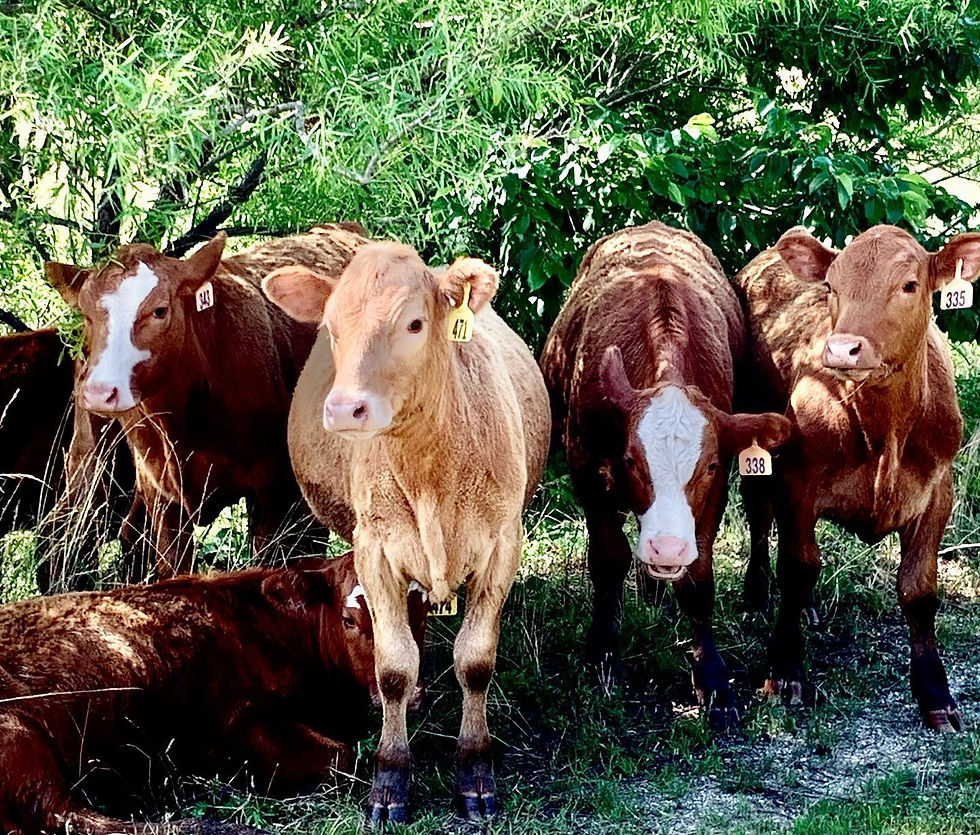
As cattle graze under open skies and seasons turn across the fields, Monrovia Farm stands as a living link between America’s past and present—where history is not just remembered, but actively respected.
From presidential beginnings to purposeful farming, the story of Monrovia Farm is written in the land itself.